
Groceries are the budget line where a student can win (or lose) the most every month. Here's the Montréal strategy.
The price hierarchy
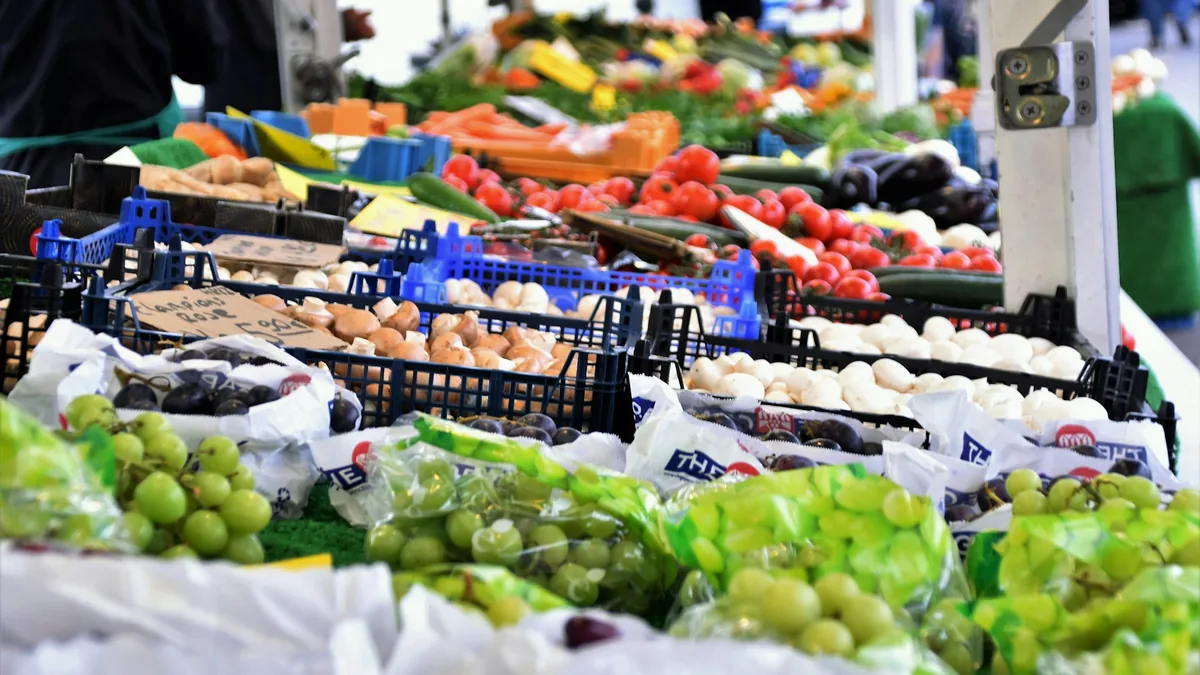
At the top: fine grocers and convenience stores — convenient, expensive, for emergencies only. In the middle: the classic big banners. At the bottom (where you want to live): the discount chains like Maxi and Super C, and the neighbourhood fruit markets, often unbeatable on fruit and vegetables. The same basket can vary 30 to 40% depending on where you fill it.
The reflexes that pay
- Flyers and deal apps: Quebecers compare weekly specials through dedicated apps — some stores even price-match competitors' deals.
- Store brands: equivalent quality, clearly lower prices. Nothing to be embarrassed about.
- Anti-waste apps: surprise baskets from bakeries, cafés and grocers at a fraction of the price — perfect on a tight budget.
- Batch cooking. The winning duo of shared apartments: one big dish on Sunday, lunches all week. Your wallet AND your exams will thank you.
Furnished rooms and apartments, all-inclusive 🔑
Plateau, Hochelaga and downtown — real-time availability, online booking.
The public markets
Jean-Talon (Little Italy) and Maisonneuve (Hochelaga): in season, the stalls overflow and end-of-day prices are negotiable. It's also an outing in itself — you go for the strawberries, you stay for the atmosphere.
The newcomer's trap
Doing all your shopping at the corner store "for now" — for three months. Scope out the discount chain and the fruit market closest to home in your first week, and the routine takes care of itself.
On my listings, I show the closest grocery stores with walking minutes — because the perfect apartment 25 minutes from any food isn't perfect.