
It's THE question every newly admitted student asks: residence or apartment? Here's the comparison, no sugar-coating.
University residence
On paper, it's reassuring. In reality: tiny rooms, rules everywhere, a kitchen shared by a lot (a lot) of people, waiting lists, and a contract that follows the school calendar — come summer, you leave with your suitcases. On price, it's not the bargain you'd expect: most residences cost as much as a room in the city, often more with the mandatory meal plan. And if you're on a working holiday or a young professional, they're not even open to you.
Coliving (furnished shared apartment)
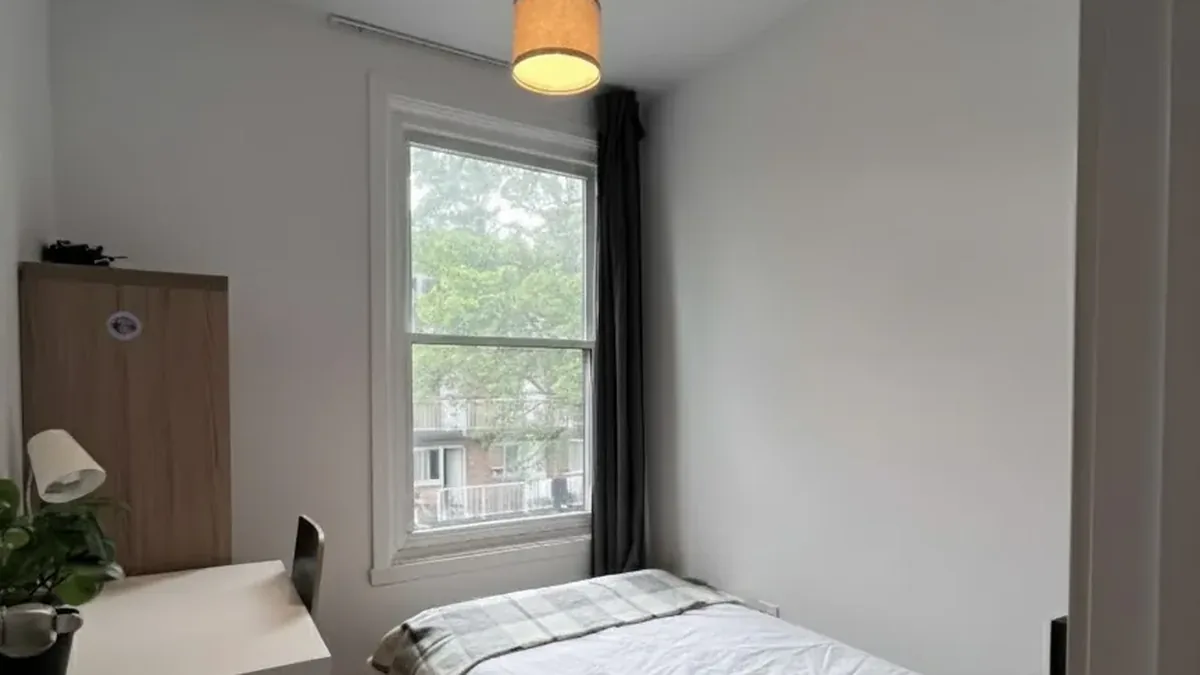
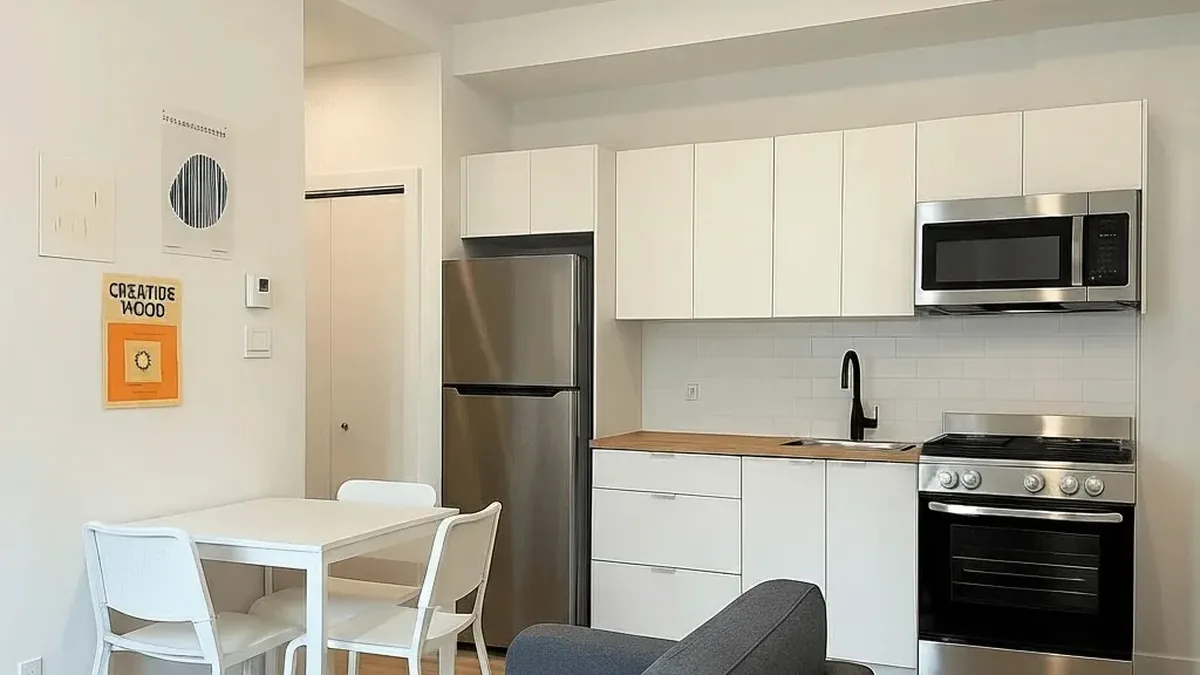
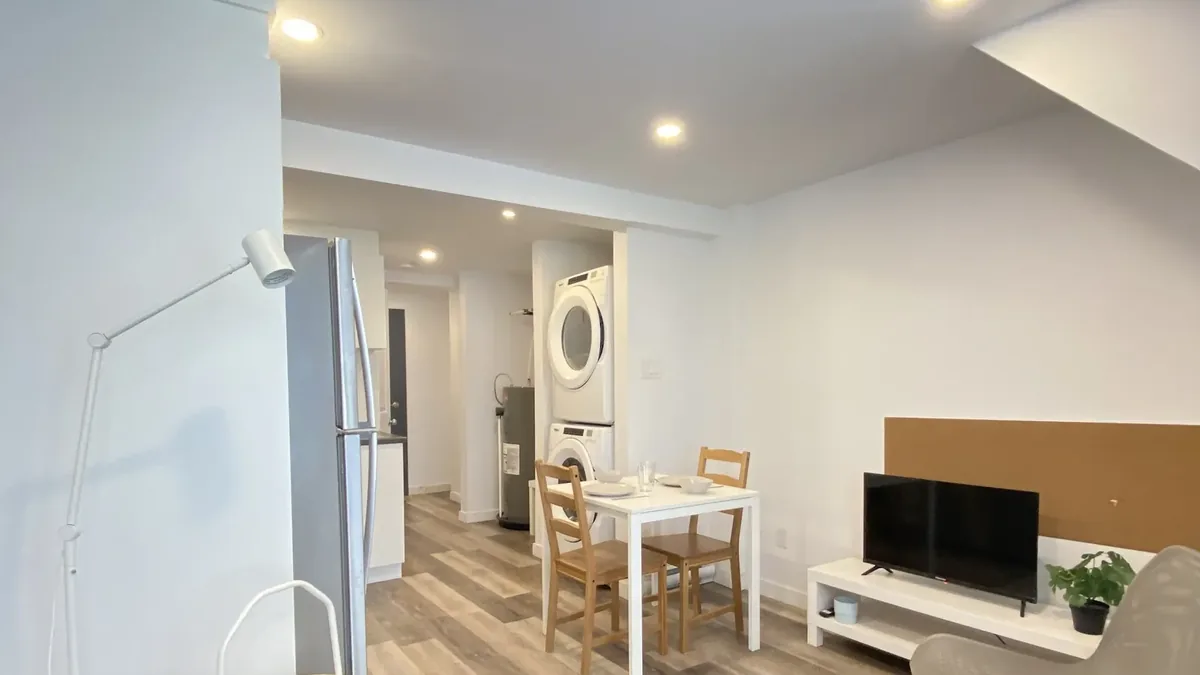
You live in the city, in a real neighbourhood, with a contract in your name and a room of your own in a shared apartment. You choose your neighbourhood, you stay through the summer if you want, you live like a Montrealer, not like a student file number. The furnished all-inclusive formula removes all the stress: no furniture to buy, no accounts to open, no imposed meal plan — and our rooms are a few métro minutes from the campuses (some a 4-minute walk from UQAM).
Furnished rooms and apartments, all-inclusive 🔑
Plateau, Hochelaga and downtown — real-time availability, online booking.
The deciding factor: freedom
Whatever the length of your stay, coliving follows you: you pick your move-in date, you stay through the summer if you want, and your home doesn't close in May. More freedom, more space, a real neighbourhood — without residence rules.
And the social side?
Both are social, differently. Residence is the first-year buzz. A shared apartment means closer bonds with fewer people — your roommates often become your first Montréal friends.
My shared apartments are exactly that: a furnished room, an individual lease, all-inclusive, in neighbourhoods you'll actually want to live in.